.webp) axolh5.com
axolh5.comGod of War Ragnarok Lore: The Prophecy, Fimbulwinter, and Kratos' Fate
Unraveling the Norse Tapestry

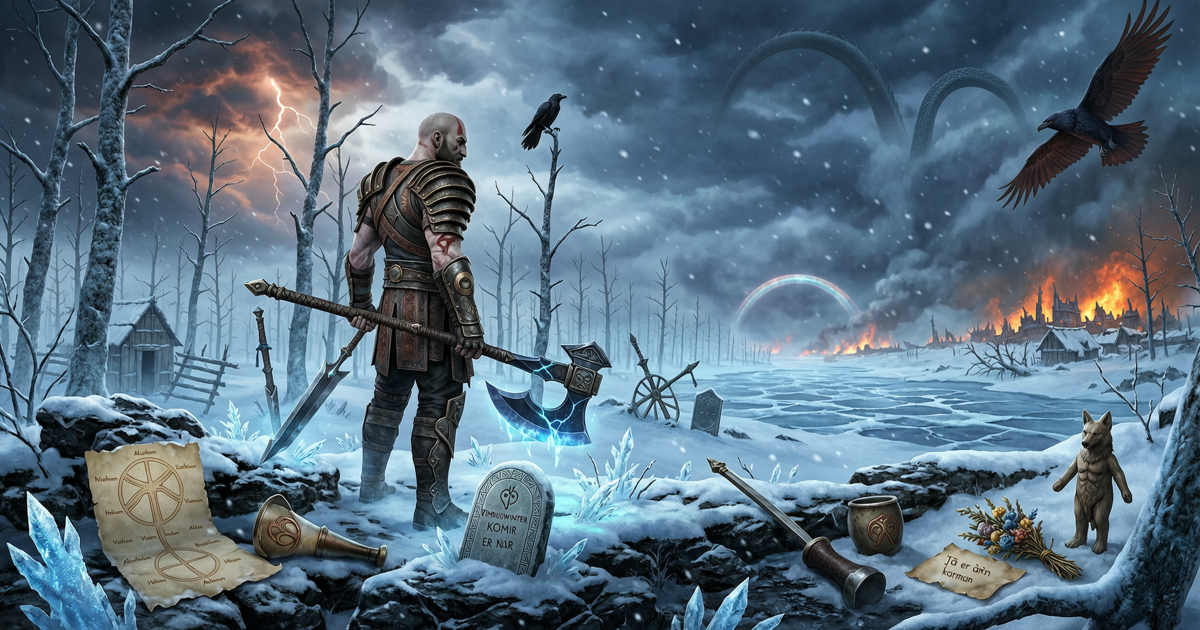
God of War Ragnarok weaves a complex narrative rooted in Norse mythology, expanding on the events of the 2018 game. The story centers on Fimbulwinter, the great winter that precedes Ragnarok, and the prophecies that foretell the end of the gods. Kratos and his son Atreus must navigate a world on the brink of destruction, where their choices challenge fate itself.
The Prophecy of Ragnarok
In Norse myth, Ragnarok is the prophesied apocalypse, a series of events including battles, natural disasters, and the death of major gods like Odin and Thor. The game reimagines this prophecy as a self-fulfilling cycle, driven by the Norns—the weavers of fate. Kratos learns that the prophecy of his death at the hands of Thor is set in stone, but he refuses to accept it. This defiance is a central theme, questioning whether destiny can be changed.
Fimbwinter: The Endless Winter
Fimbwinter, the "Great Winter," is a three-year period of relentless cold and darkness that precedes Ragnarok. In the game, it covers the realms in snow, freezing rivers and killing crops. This harsh environment shapes the gameplay, as Kratos and Atreus travel through blizzards and frozen landscapes. Fimbwinter also serves as a narrative device, isolating characters and forcing them to confront their fates.
The Realms in Crisis
Each of the Nine Realms reacts differently to Fimbwinter. Midgard is frozen and abandoned, its people scattered. Alfheim suffers from a civil war between light and dark elves. Svartalfheim, the realm of the dwarves, is plagued by mining collapses. Muspelheim and Niflheim remain extremes of fire and ice. The game's story takes Kratos and Atreus to all these realms, uncovering how the coming Ragnarok affects each.
Kratos and the Burden of Fate
Kratos, a former Greek god of war, carries the weight of his past. He destroyed his own pantheon in the previous games, and now faces a new prophecy that he will die at the hands of Thor. His journey is about breaking the cycle of violence and fatherhood. Atreus, meanwhile, struggles with his identity as Loki—the trickster god destined to start Ragnarok. The game explores their relationship as they grapple with these roles.
The Norns and Free Will
A key lore element is the Norns, three beings who weave fate. They reveal to Kratos that prophecies are not absolute; they are projections based on current actions. This empowers Kratos to choose his own path. The game suggests that prophecy can be defied through will and love, a poignant message contrasting with the inevitable doom of Norse myth.
Thor, Odin, and the Aesir
The Aesir gods are portrayed as flawed and tragic. Thor is a drunken brute haunted by his sons' deaths; Odin is a manipulative patriarch who will destroy his family for knowledge. Their backstory involves the murder of the giants, including Atreus's mother Faye. This personal vendetta drives much of the plot. The game humanizes these villains, making their actions understandable yet unforgivable.
The Giants' Prophecy
The giants (Jotnar) have foreseen the events of Ragnarok. They left behind murals and carved stones that predict Kratos's death. However, the game subverts this when Kratos sees a different mural later—one where he is not dead but instead becoming a wise leader. This twist reinforces the theme of changing fate.
Conclusion: Defying Destiny
God of War Ragnarok is a story about growing beyond one's past. Kratos learns that he doesn't have to be the monster others predict. By embracing his role as a father and a protector, he breaks the cycle of prophecy. The lore is richly layered, rewarding players who dig into the tales and side quests. Whether you're a mythology buff or a newcomer, the game's narrative depth offers a compelling reason to explore every corner of the Nine Realms.